
Wow! Skateboarding Is Way More Than Just Tricks—It's a Global Phenomenon!
Uncover the surprising history and science behind this adrenaline-pumping activity that's captivating millions worldwide.
Picture this: you're gliding down a sun-drenched street, wheels humming against the pavement, the wind whipping through your hair. Skateboarding isn't just a sport—it's a dance with gravity that turns ordinary sidewalks into stages of freedom. Born in the sun-drenched beaches of California in the 1950s, this rebellious pastime evolved from surfers seeking thrills when waves were flat. They nailed roller skate wheels to wooden planks, sparking a craze that would sweep the globe. Today, it's a multi-billion dollar industry, with events like the X Games drawing crowds of thousands, proving that this isn't just kids' play. It's a full-blown cultural movement, blending art, music, and sheer exhilaration into one fluid ride.
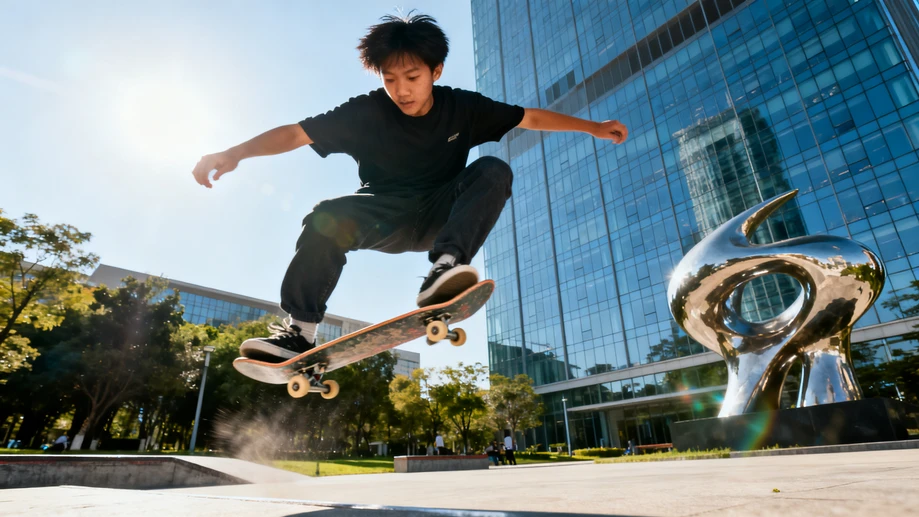
The magic of skateboarding lies in its deceptive simplicity. At its core, it's all about physics—balance, friction, and momentum working in perfect harmony. When you push off, your body becomes a lever, transferring energy through the board to the wheels. Tricks like the ollie, where the board seems to defy gravity, involve popping the tail against the ground to create lift. It's Newton's laws in action: for every action, there's an equal and opposite reaction. But it's not just science; it's intuition. Skaters develop a sixth sense for timing, like knowing exactly when to shift weight to carve a turn or land a kickflip. This blend of mind and muscle makes it accessible to anyone, from beginners wobbling on flat ground to pros soaring over ramps.
What sets skateboarding apart is its raw creativity. Unlike structured sports, there are no rigid rules—just endless possibilities for self-expression. Styles range from street skating, weaving through urban obstacles like stairs and rails, to vert skating, launching off half-pipes for aerial stunts. Each trick tells a story: the heelflip spins the board with a flick of the heel, while the grind slides along edges, creating a symphony of metal-on-concrete. This freedom fosters innovation; legends like Tony Hawk revolutionized the scene with moves that once seemed impossible. And it's not just about skill—it's about community. Skate parks buzz with camaraderie, where falls are laughed off and successes cheered. This inclusive spirit has made it a lifeline for many, offering an escape from daily stresses and a way to build confidence.
Beyond the thrills, skateboarding packs surprising health benefits. It's a full-body workout that burns calories, builds core strength, and sharpens reflexes. Studies show it improves balance and coordination, reducing the risk of falls in everyday life. Mentally, it's a stress-buster; the focus required creates a "flow state," similar to meditation, where worries fade away. Plus, it's eco-friendly—no fuel needed, just your own momentum. As it gained Olympic status in 2020, skateboarding shattered stereotypes, showing it's not just for rebels but for all ages and backgrounds. From Tokyo to Berlin, it's reshaping cities, with abandoned lots transformed into vibrant parks. So next time you see a skater, remember: they're not just riding—they're rewriting the rules of fun.