
Five Mind-Blowing Secrets That Make Ice Skating So Magical
Discover the hidden physics and quirky history behind gliding on frozen water that will leave you amazed.
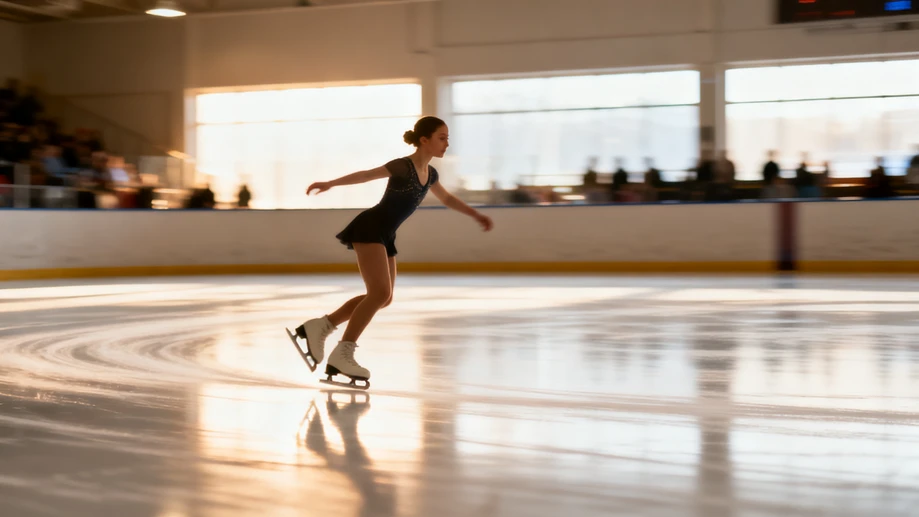
Imagine gliding effortlessly across a shimmering ice rink, the cold air kissing your cheeks as you spin and twirl with grace. Ice skating isn't just a winter pastime; it's a dance with science and history that has captivated humans for centuries. From ancient frozen lakes to modern Olympic arenas, this sport combines elegance with adrenaline, making it a favorite for families, athletes, and thrill-seekers alike. But what makes sliding on ice so uniquely enchanting? It's not just about balance or fancy moves—it's a blend of surprising secrets that turn a simple glide into pure magic. Dive in as we unravel the wonders of ice skating, where every stride tells a story of innovation and fun.
Let's start with a quirky historical twist: ice skating dates back over 4,000 years to Scandinavia, where people strapped animal bones to their feet to traverse icy rivers for survival. By the 14th century, Dutch innovators crafted the first metal blades, transforming it from a practical tool to a social craze. Picture Victorian-era skaters twirling on frozen canals, their elegant waltzes sparking a global phenomenon. Today, ice skating has evolved into diverse forms like figure skating, speed skating, and ice hockey, each with its own flair. Yet, the core remains unchanged—a testament to human ingenuity. Who knew that a bone-and-blade invention would lead to dazzling Olympic performances? It's a journey from frosty necessity to frosty fun, proving that even the simplest ideas can glide into greatness.
Now, for the science bit: why is ice so slippery? It's all about a thin layer of liquid water that forms under pressure, thanks to a phenomenon called "pressure melting." When your skate blade presses down, it melts the ice surface just enough to create a slick film, allowing you to slide with minimal friction. This isn't magic—it's physics in action! The blade's sharp edge concentrates force, reducing the ice's melting point and generating that effortless glide. Plus, factors like temperature and ice quality play a role; colder ice is harder and faster, while warmer ice feels softer. Real-world tests show that even a slight lean can change your speed, making skating a dynamic experiment in balance. Next time you hit the rink, remember: you're not just skating; you're harnessing the laws of nature to float on frozen water.
Beyond the thrill, ice skating packs a punch for your health. It's a full-body workout that burns up to 500 calories per hour while building leg strength, core stability, and cardiovascular endurance. The constant motion improves coordination and reflexes, reducing risks of falls in daily life. Studies reveal that regular skaters boost mental health too—the rhythmic gliding releases endorphins, easing stress and enhancing focus. For kids, it fosters confidence; for adults, it's a low-impact exercise that's kinder on joints than running. And it's accessible: local rinks offer affordable sessions, turning it into a fun, social activity. Whether you're a beginner wobbling on the ice or a pro nailing a triple axel, skating transforms fitness into pure joy, one glide at a time.
Here's a fun fact: ice skating has spawned bizarre world records, like the largest group glide or the longest marathon on ice. But the quirkiest secret? Some rinks use "Zamboni" machines to resurface ice, named after their inventor, Frank Zamboni, who revolutionized the sport in the 1940s. These machines shave, wash, and refreeze the surface in minutes, ensuring perfect gliding conditions. Another surprise: figure skaters spin faster by pulling their arms in, using angular momentum—a trick borrowed from physics that makes their spins dizzyingly quick. In everyday life, these principles pop up in unexpected ways, like how a spinning office chair mimics a skater's twirl. Ice skating isn't just sport; it's a playground of curiosities that connect science to smiles, proving that learning can be as exhilarating as a perfect landing.
So why not lace up those skates and give it a whirl? Ice skating is more than a hobby—it's a gateway to adventure, community, and self-discovery. From its humble origins to its scientific marvels, this sport invites everyone to embrace the chill and glide into a world of wonder. Whether you're chasing Olympic dreams or just enjoying a weekend outing, the secrets behind ice skating remind us that magic lies in the everyday. Step onto the ice, feel the rush, and let the frozen dance begin—it's time to make your own unforgettable memories.