
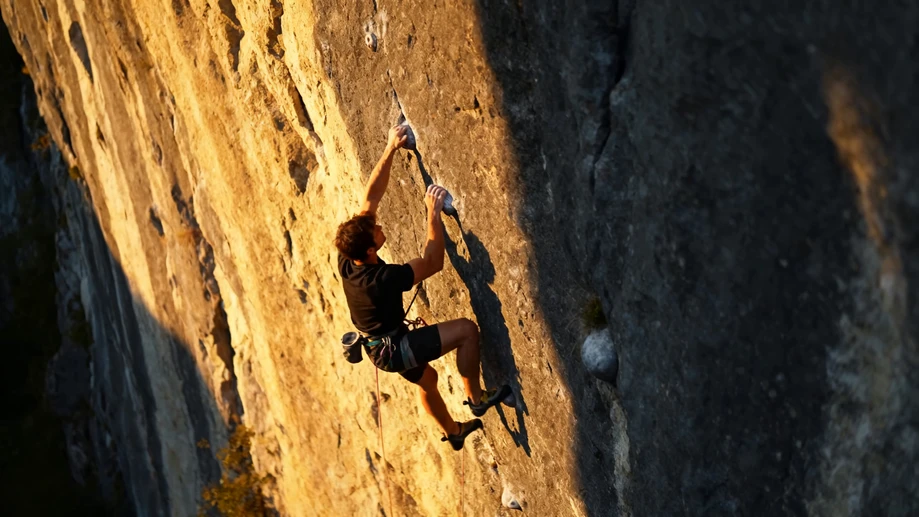
You Must Experience the Adrenaline Rush of Rock Climbing!
Discover how this gravity-defying sport boosts your brain and brawn in surprising ways.
Imagine clinging to a sheer rock face, your fingers gripping tiny crevices as you inch upward, heart pounding with every move. Rock climbing isn't just a test of strength; it's a thrilling dance with gravity that has exploded in popularity worldwide. From urban climbing gyms to remote mountain crags, over 25 million enthusiasts now scale heights for fun, fitness, and a mental escape. But what makes this sport so addictive? It's the perfect blend of physical challenge and mental puzzle-solving—each route is like a 3D chess game where your body is the piece. As you learn to trust your gear and instincts, you'll uncover a community bonded by shared triumphs and spills. Forget the gym monotony; climbing offers an adventure that turns everyday stress into pure exhilaration, proving it's more than a hobby—it's a lifestyle revolution.
The origins of rock climbing trace back to the late 19th century, when mountaineers in the Alps began practicing on smaller cliffs to prepare for big peaks. By the 1950s, pioneers like Royal Robbins transformed it into a sport with ethical codes, emphasizing minimal gear to preserve nature. Today, it's evolved into diverse styles: bouldering (short, powerful routes close to the ground), sport climbing (using pre-placed bolts for safety), and traditional climbing (placing your own gear). Each type offers unique thrills—bouldering builds explosive power, while trad climbing demands strategic thinking as you navigate natural features. Surprisingly, modern indoor gyms have democratized access, with colorful holds mimicking outdoor terrains. This evolution has made climbing inclusive, attracting everyone from kids to seniors, and even sparked Olympic inclusion since 2020. The sport's growth is a testament to human ingenuity, turning vertical challenges into accessible fun.
Beyond the adrenaline, rock climbing delivers astonishing health benefits that science backs up. Physically, it's a full-body workout: pulling motions strengthen your back and arms, while leg pushes engage core muscles, burning up to 700 calories per hour—more than running! But the real magic lies in the mind. Studies from universities like Stanford show that climbers develop better problem-solving skills and focus, as routes require split-second decisions to avoid falls. The "flow state" achieved during a climb reduces stress hormones by up to 30%, akin to meditation. Plus, overcoming fears builds resilience; many report improved confidence in daily life after conquering a tough ascent. Even better, it's low-impact on joints, making it ideal for injury recovery. For instance, doctors often recommend it for rehab, as the controlled movements enhance flexibility without strain. In short, climbing isn't just exercise; it's a brain-and-body tune-up that leaves you feeling invincible.
Safety is paramount in climbing, and modern innovations have made it remarkably secure. Essential gear includes a harness, ropes, carabiners, and belay devices—all rigorously tested to withstand forces over 5,000 pounds. Learning to tie knots like the figure-eight follow-through is crucial; it's your lifeline in case of a slip. Belaying, where a partner manages the rope, requires trust and communication, often using calls like "On belay!" to signal readiness. Surprisingly, most accidents stem from human error, not equipment failure, so training is key. Organizations like the American Mountain Guides Association offer courses covering everything from basic techniques to rescue skills. For beginners, indoor gyms provide supervised environments with padded floors, reducing risks. Remember, climbing etiquette emphasizes respect for nature—clean up chalk marks and avoid damaging rock surfaces. With proper prep, this sport transforms perceived danger into controlled excitement, proving that calculated risks lead to the greatest rewards.
Ready to start? Begin at a local climbing gym, where friendly staff can introduce you to top-rope climbing—the safest entry point. Rent gear initially, focusing on comfortable shoes and a harness. Start with easy routes to build confidence, practicing footwork and balance. As you progress, join group sessions or apps like Mountain Project to find partners and share beta (route tips). Nutrition plays a role too; fuel up with protein-rich snacks for endurance. Within weeks, you'll notice gains in strength and mental clarity. For outdoor adventures, research areas with beginner-friendly crags, like Joshua Tree or Fontainebleau. Always check weather forecasts and carry a first-aid kit. The beauty of climbing is its scalability—whether you're aiming for a casual hobby or competitive peaks, it adapts to your pace. So, take that first step; the wall awaits, and the view from the top is worth every effort.
In a world saturated with screens, rock climbing offers a raw, hands-on connection to nature and self. It's not about reaching the summit fastest; it's about the journey—each hold a small victory, each fall a lesson. Stories abound, like Alex Honnold's free solo of El Capitan, inspiring millions to push limits safely. As communities grow, climbing festivals and clean-up events foster environmental stewardship. Ultimately, this sport teaches that life's biggest challenges are conquered one grip at a time. So, why not give it a go? You might just find yourself hooked, discovering strength you never knew you had. After all, in the vertical world, every climb is a story waiting to be written.