
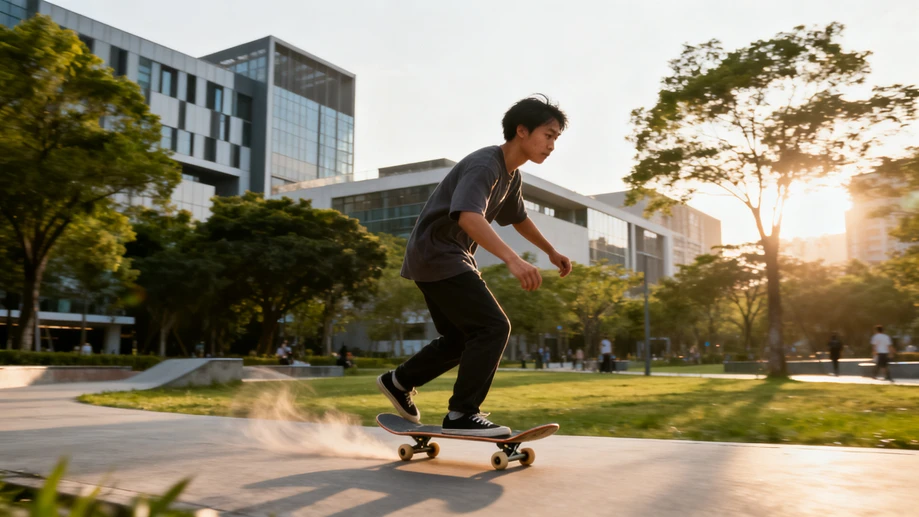
Is Skateboarding the Ultimate Fitness Hack
Unlock the thrilling secrets of this urban sport that's taking over cities worldwide.
Think skateboarding is just for rebellious teens or daredevils showing off tricks? Think again. This sport has evolved from its humble beginnings in California in the 1950s, when surfers sought a "land surf" alternative on dry days. By the 1970s, it exploded into a global phenomenon with custom boards and DIY skate parks. Today, it's not just a hobby—it's a lifestyle embraced by millions. Stats show over 20 million skateboarders globally, making it one of the fastest-growing activities. The appeal? It's accessible, affordable, and injects pure adrenaline into daily routines. Forget the old stereotypes; skateboarding is now a mainstream fitness craze that anyone can pick up, whether you're 8 or 80. From crowded city streets to purpose-built ramps, it's transforming how we stay active and connect with our communities, proving that a simple piece of wood on wheels can redefine fun and fitness.
What makes skateboarding such a powerhouse for physical health? It all starts with balance and coordination. When you push off on a skateboard, your body engages core muscles constantly to stay upright, turning every session into an impromptu workout. Studies from sports science journals reveal that just 30 minutes of casual skateboarding can burn around 150-200 calories—rivaling jogging or cycling. But it's not just about calorie burn. The sport builds strength in legs, glutes, and back, improving posture and flexibility. Unlike gym routines that feel tedious, skateboarding disguises exercise as play. You learn to ollie (jump with the board) or carve turns, challenging your reflexes without realizing you're toning muscles. Plus, it's low-impact on joints compared to running, reducing injury risks. Urban adventurers worldwide are swapping treadmills for skate parks, discovering how this dynamic activity boosts endurance and agility in ways traditional workouts can't match.
Beyond the physical perks, skateboarding is a mental game-changer. Imagine the rush of nailing a new trick after countless falls—each attempt builds resilience and focus. Neuroscientists point out that activities requiring quick decisions, like dodging obstacles, enhance cognitive functions and reduce stress. In fact, a survey by mental health groups found that skateboarders report lower anxiety levels, thanks to the meditative flow of rolling down a street. The social aspect is huge too; skate parks become hubs where strangers bond over shared wipeouts and victories, fostering friendships that last. Stories abound, like a London office worker who ditched therapy for weekly skate sessions, finding joy in the community camaraderie. It's this blend of thrill and therapy that makes the sport addictive. Skateboarding isn't just about tricks—it's about resetting your mind, proving that fun can be the best prescription for a hectic life.
Ready to start? Don't worry about mastering complex moves right away. Begin with the basics: find a flat, open space like a parking lot or park. Wear a helmet and pads for safety—falls are part of the journey. Step one: learn to push off gently and ride straight. Focus on shifting your weight; it feels awkward initially but becomes intuitive. Apps like "Skate Coach" offer free tutorials, breaking down techniques into bite-sized lessons. Many cities have free beginner workshops, too. Pro tip: Start with a cruiser board for stability—they're wider and smoother. Within weeks, you'll progress to simple turns and stops. Remember, every pro skater started with wobbly first steps. The key is consistency; dedicate 15 minutes daily, and you'll see improvements. Embrace the falls as learning moments; they're badges of courage. Soon, you'll be cruising with confidence, turning your daily commute into an adventure.
The quirks of skateboarding make it endlessly fascinating. Did you know the world record for the highest ollie is over 45 inches? Or that skateboarding debuted in the Tokyo Olympics, showcasing jaw-dropping feats that drew global audiences. But it's not all about competition. Some cities now install "skateable" public art, blending functionality with culture. Anecdotes include a retiree in New York who took up skateboarding at 60 to stay active, inspiring local news stories. The culture is rich with DIY ethics; skaters often build their own ramps from scrap materials, fostering creativity. Plus, the sport champions inclusivity—people of all ages and backgrounds share the passion. Whether it's a parent teaching their kid in the driveway or a group session at dusk, these moments create lasting memories. Skateboarding isn't just a sport; it's a canvas for self-expression, turning ordinary streets into playgrounds of possibility.
So, why not give skateboarding a try? It's more than a fitness trend—it's a gateway to freedom and joy. In an age of screens and routines, hopping on a board offers an escape, reconnecting us with the urban landscape. You don't need expensive gear; a budget-friendly board can spark a lifelong passion. Start small, celebrate each milestone, and join the vibrant community. Skateboarding isn't about perfection; it's about progress and play. As more people discover its holistic benefits, it's clear this sport is here to stay. Grab a board, hit the pavement, and experience how rolling on four wheels can roll away life's stresses. Who knows—it might just be the best decision you make this year.