
Unlock the Secret to Making Exercise as Addictive as Your Favorite TV Show!
Why Your Brain Craves Movement More Than You Think
Ever wonder why binge-watching Netflix feels effortless while dragging yourself to the gym requires Herculean willpower? The answer lies in your brain's reward circuitry. Neuroscientists reveal that dopamine—the "feel-good" chemical—floods your system during enjoyable activities like scrolling social media or eating chocolate. Exercise initially lacks this instant gratification, making it feel like a chore. But here's the twist: consistent movement actually rewires your brain to crave physical activity. A University of Michigan study found that after just 3 weeks of regular workouts, participants' brains began associating exercise with pleasure, triggering dopamine releases similar to those from favorite hobbies. The secret isn't willpower; it's about hacking your neurology.
Transforming exercise from dreadful to delightful starts with micro-habits. Forget marathon goals—begin with "two-minute miracles." Stand during phone calls, take stairs instead of elevators, or dance while brushing teeth. These tiny actions build neural pathways without overwhelming your brain. Behavioral psychologist Dr. Lena Torres compares it to planting seeds: "Small, consistent actions create automaticity. Soon, your body feels 'off' without movement, like skipping morning coffee." Pair exercise with existing pleasures too. Listen to murder mysteries while walking, watch cooking shows on the elliptical, or schedule gym sessions with your funniest friend. The brain learns to link sweat sessions with joy, not punishment.
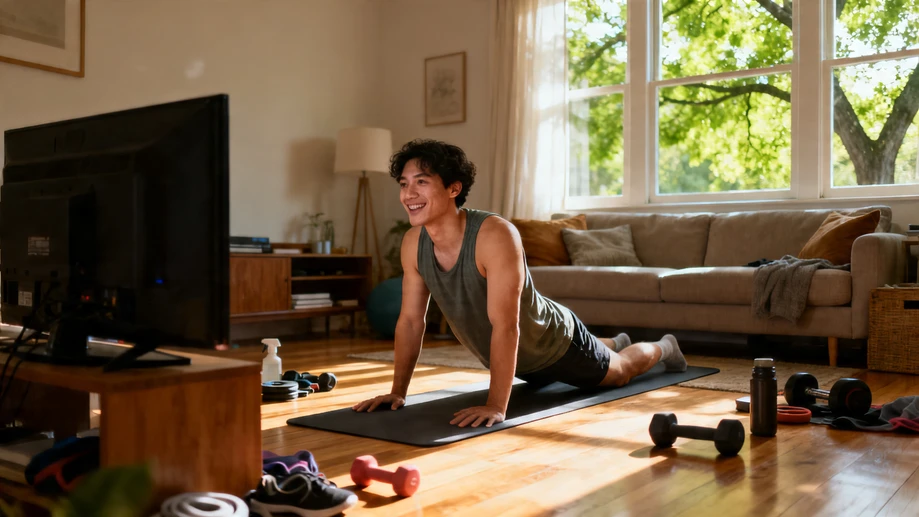
Your environment is a silent habit architect. Place running shoes by your bed, keep resistance bands beside the sofa, or set yoga mats in sunlight. Stanford researchers found people exercised 40% more when gear was visible. Conversely, hide remote controls to reduce couch time. Design "movement triggers": sticky notes on mirrors saying "Stretch here!" or phone alarms labeled "Dance break!" Even room temperature matters—a British study showed cooler rooms (18°C/64°F) boosted calorie burn by 7% during workouts. For maximum stickiness, attach exercise to daily anchors. Do squats while waiting for coffee to brew or calf raises during tooth-brushing. These "habit stacks" piggyback on existing routines, bypassing mental resistance.
The real game-changer? Tracking progress creatively. Ditch punishing scales and log "movement victories" instead: "Walked 10k steps while listening to Beyoncé," or "Felt energised after yoga." Apps like Habitica turn fitness into RPG quests—unlocking dragon eggs for completing workouts. Or try "exercise bingo" with rewards like bubble baths for five completed squares. Data from Strava reveals users who share achievements with friends stick to routines 2.3x longer. Even analog methods work: Melbourne office workers dropped 15% body fat collectively by marking gym visits on a communal "victory wall" with gold stars. Celebrating small wins fuels motivation better than focusing on distant goals.
Ultimately, the joy lies in rediscovering play. Grown-ups forget movement can be fun—swing at playgrounds, join adult dodgeball leagues, or trampoline in the backyard. When Portuguese seniors replaced gym sessions with weekly salsa classes, adherence skyrocketed from 35% to 89%. "Playful exercise taps into childhood neural patterns," notes kinesiologist Dr. Raj Patel. "You stop counting reps and start chasing delight." Whether it's hula-hooping, skateboarding, or flashlight tag with kids, finding your "movement personality" sustains habits. As one reformed exercise-hater turned trail-runner confessed: "I finally get why dogs wiggle at walk time—running through mud puddles feels like flying."