
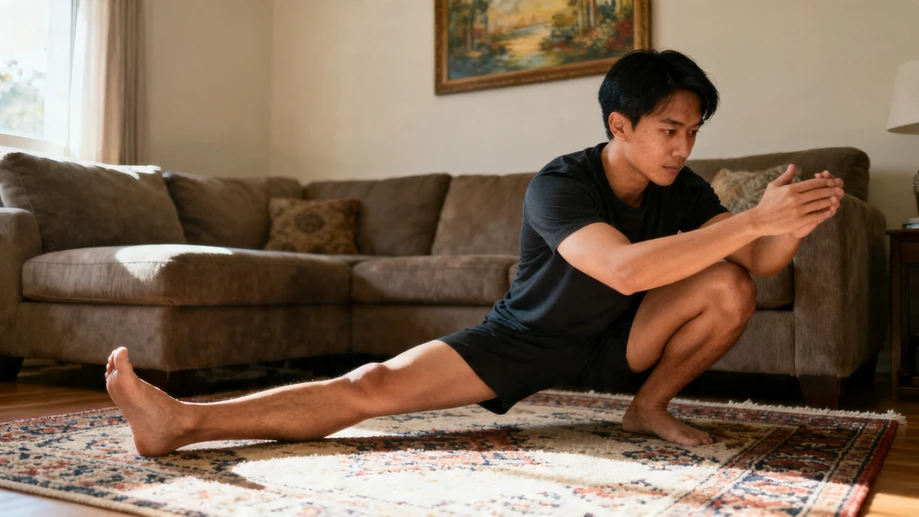
Are You Secretly Sabotaging Your Flexibility with Bad Stretching?
Uncover the surprising science behind effective stretching routines that can transform your home fitness game.
Imagine this: you've just finished a sweaty home workout, feeling like a champion, and you dive into your usual stretching routine. You hold each pose for a few seconds, maybe groan a bit, and call it a day. But what if I told you that this common habit might be doing more harm than good? Stretching isn't just about touching your toes—it's a science-backed art that can boost your flexibility, reduce injury risk, and even improve your mood. Yet, many of us fall into traps, like bouncing in stretches or skipping them altogether, thinking we're saving time. In reality, poor techniques can lead to stiff muscles and missed gains. Let's dive into why stretching deserves a starring role in your fitness journey, starting with a fun fact: studies show that consistent stretching can increase your range of motion by up to 20% in just a few weeks, making everyday activities like reaching for that top shelf feel effortless. So, why do so many people get it wrong? Often, it's because we mimic what we see in movies or gyms without understanding the 'why' behind it. For instance, static stretching before a workout might actually weaken your muscles temporarily—researchers found it can reduce strength by 5-30% if done incorrectly. Instead, dynamic stretches like leg swings are better warm-ups. The key is to make stretching feel like a reward, not a chore. Think of it as your body's daily tune-up, where each stretch whispers secrets to longevity.
Now, let's bust some myths that might be holding you back. One big misconception is that stretching should hurt to be effective. Ouch! That's a red flag. Pain during stretching often signals micro-tears in muscles, which can lead to long-term damage. Instead, aim for a gentle pull—what experts call 'comfortable tension'—where you feel a stretch but no sharp pain. Another common error is rushing through it. Many of us treat stretching as an afterthought, spending only 30 seconds per muscle group. But research from sports science journals reveals that holding stretches for at least 30 seconds (and up to 60 seconds) maximizes benefits, allowing muscles to relax and lengthen properly. And don't forget about balance: focusing only on your hamstrings while ignoring your hips or back can create imbalances that cause aches later. A fun experiment to try at home? Use a wall for support during a calf stretch—it's safer and more effective than free-standing versions. Plus, incorporating tools like foam rollers or resistance bands can add variety and target deeper tissues. Remember, consistency trumps intensity; even five minutes a day can yield results over time. So, next time you stretch, ask yourself: am I listening to my body or just going through the motions?
Ready to upgrade your routine? Start with simple, evidence-based techniques that fit seamlessly into your daily life. Begin with dynamic stretches in the morning, like arm circles or torso twists, to wake up your body—it's like coffee for your muscles! For post-workout cool-downs, switch to static stretches, such as the classic hamstring stretch where you sit and reach for your toes, holding for 30 seconds. To make it engaging, turn it into a game: set a timer and challenge yourself to hold each pose without fidgeting. Or, pair stretching with habits you already love, like watching TV—do a quad stretch during commercial breaks. Experts recommend targeting all major muscle groups twice a week for optimal flexibility. A sample home routine could include: 1) Neck tilts (hold for 20 seconds each side) to relieve desk-job stiffness, 2) Child's pose for back relief, and 3) Butterfly stretch for inner thighs. Track your progress with a journal or app; noticing small wins, like reaching farther in a stretch, builds motivation. And if boredom strikes, mix in yoga poses or follow online videos—they add fun and structure. The key is to keep it enjoyable: play your favorite music and breathe deeply to turn it into a mini-meditation session. By making stretching a non-negotiable part of your day, you'll not only feel better but also prevent injuries that could sideline your fitness goals.
Building a lasting stretching habit doesn't have to be daunting—start small and celebrate wins. Begin with just two minutes a day, perhaps after brushing your teeth, to create a cue. Over time, increase to 10-15 minutes as it becomes second nature. Use reminders like sticky notes or phone alarms to stay consistent. Research shows that habits form faster when tied to existing routines; for example, stretch while waiting for your coffee to brew. To keep it fun, involve family members—turn it into a group activity with kids or partners, making it a bonding moment. And don't beat yourself up for missed days; flexibility is forgiving. Focus on the rewards: better sleep, reduced stress (thanks to endorphin releases), and that satisfying feeling of ease in movement. In the end, stretching isn't just about fitness—it's a gift to your future self, ensuring you stay agile and vibrant for years to come.